The most dangerous thing you can see as an artist is a perfectly white, empty digital canvas.
When that screen is blank, the possibilities are infinite. You have every brush in your library. You have every shade of the rainbow. You have the ability to make anything, which means you have the ability to make everything… and that is exactly why you aren’t doing a damn thing.
We like to tell ourselves that we are waiting for inspiration. We tell ourselves we’re “finding the vibe” or “gathering references.” But let’s be honest here: that’s just procrastination straight up.
The truth is much simpler: your brain is paralyzed by choice.
The Paradox of Infinite Options
The human brain is not wired to handle infinite possibilities. When you stare at an empty canvas with no boundaries, your prefrontal cortex,the part of you that makes logical decision… well it overloads. It doesn’t know where to start because it doesn’t know where the edges are.
When you have a million brushes, you spend your energy choosing brushes instead of drawing. When you have a million colors, you spend your energy color-matching instead of sketching. You are burning your creative fuel on administration before you’ve even made a single mark.
If you want to move fast, you have to stop trying to be free. You have to start building a cage. Sounds crazy, but it is true.
How to Build Your Creative Cage
Constraints are not barriers to your creativity; they are the floor you stand on. If you want to stop the cycle of overthinking, you need to strip away the options until you have no choice but to start.
Here is how you do it:
- The Three-Color Rule: Stop browsing color palettes. Pick three. If you’re building a brand, use your primary palette, so in my case for creavique: Olive, Charcoal, and Ochr.. and ignore everything else. By limiting your palette, you force your brain to focus on value and shape rather than color theory.
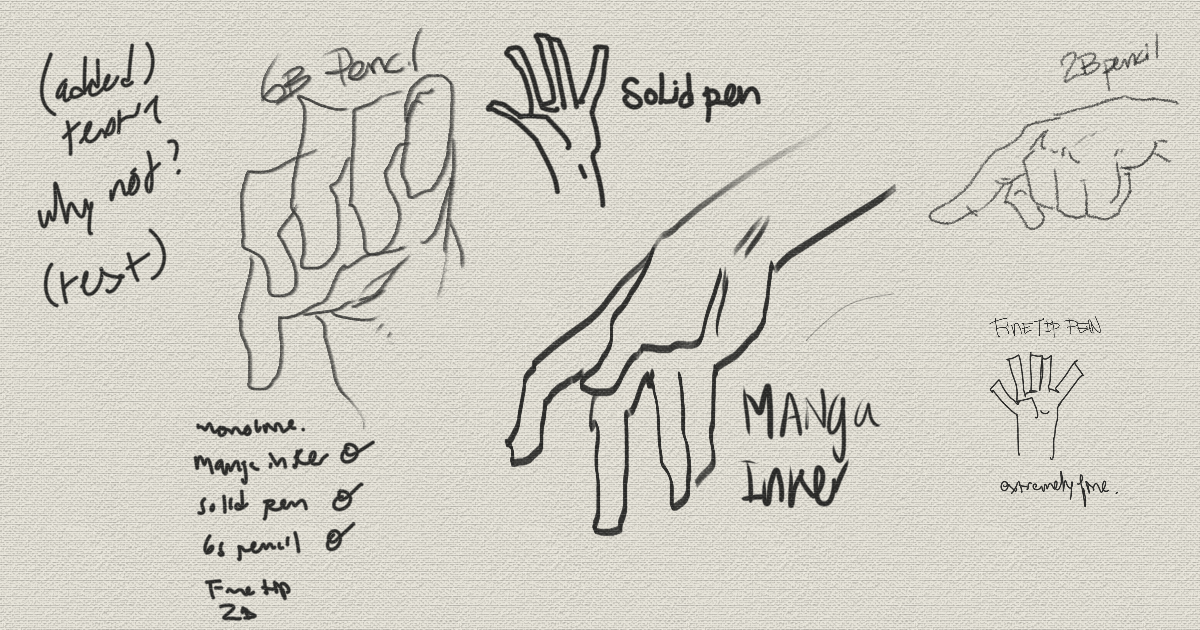
- The One-Brush Lock: Pick one brush. If you’re a sketcher, use your HB pencil. If you’re a painter, use your favorite gritty oil brush. Do not touch the brush menu again until the session is over. Your goal is to get to know one tool so well that it becomes an extension of your hand, not a piece of software you have to manage. I have had this problem countless times, but once I stuck to one, it helped me just reach a flow state.
- The 10-Minute Timer: This is the most important part. Set a physical timer for ten minutes. Tell yourself that you are not allowed to judge the work until that timer goes off. When you know you only have ten minutes, you stop trying to make a masterpiece. You stop erasing every line. You stop trying to be perfect. You just start moving your arm.
Momentum Is Physical
Creative momentum is not a feeling that you wait for. It is a physical reaction to moving your arm across a surface.
When you make a line, you get feedback. That feedback tells your brain what to do next. If you sit in silence, you get zero feedback, which means your brain stays stuck in the “what if” loop.
Stop looking for the perfect idea. The perfect idea is a ghost. It doesn’t exist. The only thing that exists is the next stroke of your pencil, pen, paintbrush, whatever.
The Action Plan
Don’t read another post. Don’t check your email.
Close your current file. Open a new one. Pick your three colors, grab one brush, set your clock to 10:00, and put your pen to the glass.
Make a mark. Then make another one. By the time the alarm goes off, you’ll be in the middle of a drawing, and you won’t want to stop. That’s how you win.
1 thought on “The Myth of the Blank Canvas: How to Start with Constraints”